
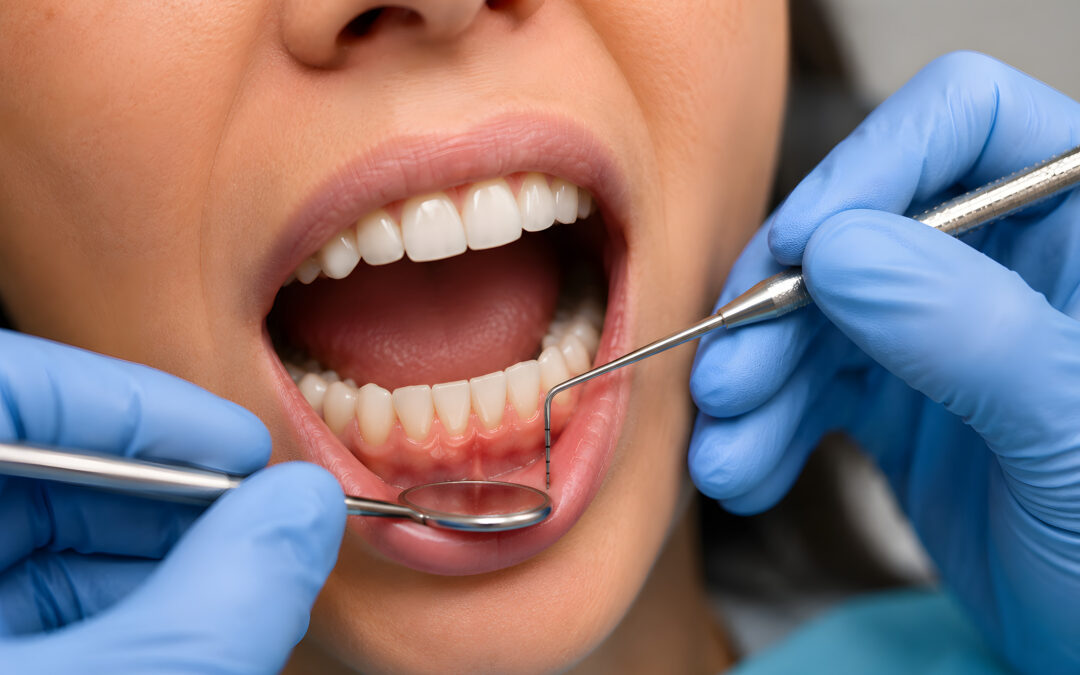
A healthy dental cleaning is not just about leaving with smooth teeth. It is a preventive oral care visit that checks how your gums are responding, removes plaque and tartar, and helps you understand what your mouth needs between appointments. When gums are bleeding, the appointment may need to go beyond a standard general cleaning so the hygienist can identify inflammation, clean more carefully around problem areas, and guide you toward a better oral care routine.
What should a healthy dental cleaning feel and look like?
A healthy dental cleaning should feel thorough, organized, and comfortable, with clear communication throughout the visit. Your hygienist should review your health history, examine your gums, remove buildup, polish appropriately, and explain what they are seeing in plain language. If your gums are healthy, there may be little to no bleeding, minimal tenderness, and your mouth should feel clean without feeling scraped or irritated.
In a healthy gums dental cleaning, the gums usually look firm, pink or naturally pigmented, and snug around the teeth. They may be lightly sensitive in a few areas, especially if you have recession or exposed roots, but they should not bleed heavily from gentle cleaning. The goal is not to “scrub harder”; it is to remove irritants while protecting the gum tissue and tooth surfaces.
A good visit also includes education. Your hygienist may point out areas where plaque collects, explain why flossing feels difficult in certain spots, or recommend a toothbrush angle that fits your mouth better. These dental hygiene tips matter because daily habits determine how quickly inflammation returns after the appointment.
Standard general cleaning and bleeding gums are not always the same situation
A standard general cleaning is usually designed for someone without active periodontal disease. It focuses on removing plaque, tartar, and surface stain above the gumline and slightly below the edge of the gums where routine buildup collects. This type of visit is often called a preventive cleaning because it helps maintain health rather than treat deeper gum problems.
Bleeding gums change the picture. Bleeding is commonly a sign that the gum tissue is inflamed, often because plaque has been sitting along the gumline long enough to irritate it. It can also be influenced by brushing technique, flossing habits, tobacco use, dry mouth, certain medications, hormonal changes, medical conditions, or dental appliances that trap plaque.
This is why healthy dental cleaning vs standard general cleaning, especially with bleeding gums, is not a simple “more cleaning is better” issue. The hygienist needs to understand whether bleeding is mild and localized or part of a broader gum-health concern. If the bleeding is connected to deeper pockets, gum attachment changes, or heavy tartar under the gums, a standard cleaning may not be enough.
Signs your gums may need more than a routine cleaning
Bleeding once after restarting flossing is different from bleeding every time you brush. A hygienist looks for patterns, not just one symptom. The gums tell a story through color, texture, swelling, pocket depths, tenderness, and how easily they bleed during gentle measurements.
Common signs that extra evaluation may be needed include:
- Bleeding during brushing, flossing, or routine probing
- Puffy, shiny, or tender gums around several teeth
- Persistent bad breath or a bad taste
- Tartar buildup below the gumline
- Gum pockets that are deeper than expected
- Gums pulling away from the teeth
- Loose teeth or changes in the way your bite feels
- Areas that bleed even when touched gently
These signs do not automatically mean something severe is happening, but they do mean the visit should become more diagnostic. A professional, practical approach is to slow down, measure what is happening, and decide whether preventive care is enough or whether periodontal therapy is needed.
What extra actions can a hygienist take beyond a standard cleaning?
When gums are bleeding, a hygienist can often take additional steps beyond a standard cleaning, depending on the practice, local scope of care, and the dentist’s diagnosis. These actions are meant to identify the cause of inflammation, reduce bacterial buildup, and help the patient build a home routine that actually works. The extra care should feel purposeful, not rushed or unexplained.
More detailed gum assessment
One of the most important steps is periodontal charting. This involves gently measuring the space between the tooth and gum to check pocket depths and bleeding points. It helps separate simple gum irritation from signs that the supporting structures around the teeth may need closer attention.
The hygienist may also record recession, mobility, furcation areas around molars, plaque levels, and where bleeding occurs. These details create a baseline. At future visits, the dental team can see whether your gums are improving, staying stable, or getting worse.
Focused removal of plaque and tartar
If bleeding is present, the hygienist may spend extra time around the gumline and in areas where tartar is contributing to inflammation. This may involve hand instruments, ultrasonic instruments, or both. Ultrasonic scaling uses vibration and water to disrupt buildup, while hand scaling allows careful finishing around specific surfaces.
If deeper tartar is present under the gums, the dentist may recommend scaling and root planing rather than a standard cleaning. That is a different level of care and may be done in sections, sometimes with local anesthetic for comfort. The important point is that the type of cleaning should match the condition of the gums.
Personalized home-care coaching
A healthy dental cleaning should include practical coaching, especially when bleeding gums are involved. Many people brush daily but miss the same areas over and over. Others floss aggressively for a few days, stop when bleeding occurs, and then the inflammation continues.
A hygienist may demonstrate:
- How to angle a soft toothbrush toward the gumline.
- How much pressure to use without scrubbing the gums.
- Whether string floss, floss picks, interdental brushes, or a water flosser may fit your mouth better.
- How to clean around crowns, bridges, implants, aligners, or retainers.
- Which areas in your mouth need the most attention.
This is where an oral care routine becomes personal. The best routine is not the most complicated one; it is the one you can repeat consistently and safely.
Discussion of products and risk factors
Your hygienist may ask about dry mouth, snacking frequency, acidic drinks, tobacco, cannabis, mouth breathing, or medications that affect saliva. These conversations are not judgmental. They help explain why plaque may be building up quickly or why gums may be more reactive.
Product recommendations may include a soft-bristled toothbrush, fluoride toothpaste, interdental cleaners, alcohol-free rinses, or sensitivity products. If you prefer natural dental care, your hygienist can help you choose safer options while avoiding habits that may damage enamel or irritate gums. “Natural” should still mean gentle, evidence-informed, and compatible with professional care.
Follow-up timing and dentist involvement
Bleeding gums often need follow-up. Instead of waiting many months and hoping things improve, the dental team may recommend a shorter recheck to evaluate bleeding, plaque control, and gum measurements. This can be especially helpful after you change your home routine.
If the hygienist notices signs that require diagnosis or treatment planning, the dentist should be involved. In some cases, referral to a periodontist may be recommended. That does not mean failure; it means your gums may need a more specialized plan.
A practical oral care routine for calmer gums
The healthiest dental cleaning results are maintained at home. Professional care removes buildup you cannot remove yourself, but daily plaque control keeps inflammation from returning quickly. If your gums bleed, consistency matters more than intensity.
Try this simple routine for several weeks unless your dental team gives you different instructions:
- Brush twice daily with a soft toothbrush and gentle pressure.
- Aim the bristles toward the gumline rather than only the biting surfaces.
- Clean between teeth once daily with the tool you can use correctly.
- Do not stop interdental cleaning just because mild bleeding appears; ask your hygienist if bleeding is heavy, painful, or persistent.
- Replace your toothbrush or brush head when the bristles splay.
- Rinse with water after acidic drinks and wait before brushing if your mouth feels acidic.
- Keep dental visits on the schedule recommended for your gum condition.
Small changes can make a noticeable difference. For example, switching from hard scrubbing to a soft, angled technique may reduce irritation. Adding an interdental brush in spaces where floss does not clean well may remove plaque that was repeatedly triggering bleeding.
Natural dental care should support prevention, not replace it
Natural dental care can be part of a thoughtful routine when it is safe and realistic. Drinking water, limiting frequent sugary snacks, eating a balanced diet, avoiding tobacco, and using gentle cleaning tools all support gum health. These habits fit well with preventive oral care because they reduce daily stress on the mouth.
Be careful with abrasive powders, lemon juice, charcoal, or harsh DIY whitening methods. Even if they feel clean at first, they may irritate gums or wear enamel. If you want a more natural approach, ask your hygienist which options are gentle enough for your specific teeth, gums, restorations, and sensitivity level.
The best approach is not natural versus professional. It is daily care plus professional monitoring. Your hygienist can help you keep the parts of your routine that are working and replace the parts that may be causing harm.
What to expect if your gums bleed during the appointment
If bleeding happens during a cleaning, do not panic and do not feel embarrassed. Hygienists see bleeding gums every day, and their job is to help you understand what is causing it. A clear explanation should include where the bleeding is happening, whether there is tartar in those areas, and what steps may help.
You can ask helpful questions such as:
- “Are my gums bleeding in one area or throughout my mouth?”
- “Do my gum measurements look healthy?”
- “Is this still a preventive cleaning, or do I need periodontal treatment?”
- “Which tool should I use between my teeth?”
- “When should we recheck my gums?”
These questions turn the visit into a partnership. You leave with more than polished teeth; you leave with a plan.
The takeaway
A healthy dental cleaning is thorough, preventive, and tailored to what your gums are showing that day. A standard general cleaning may be enough for stable, healthy gums, but bleeding gums deserve closer evaluation and more personalized support. With careful assessment, appropriate cleaning, practical dental hygiene tips, and a consistent oral care routine, your hygienist can help you move from reacting to bleeding toward building healthier gums over time.